
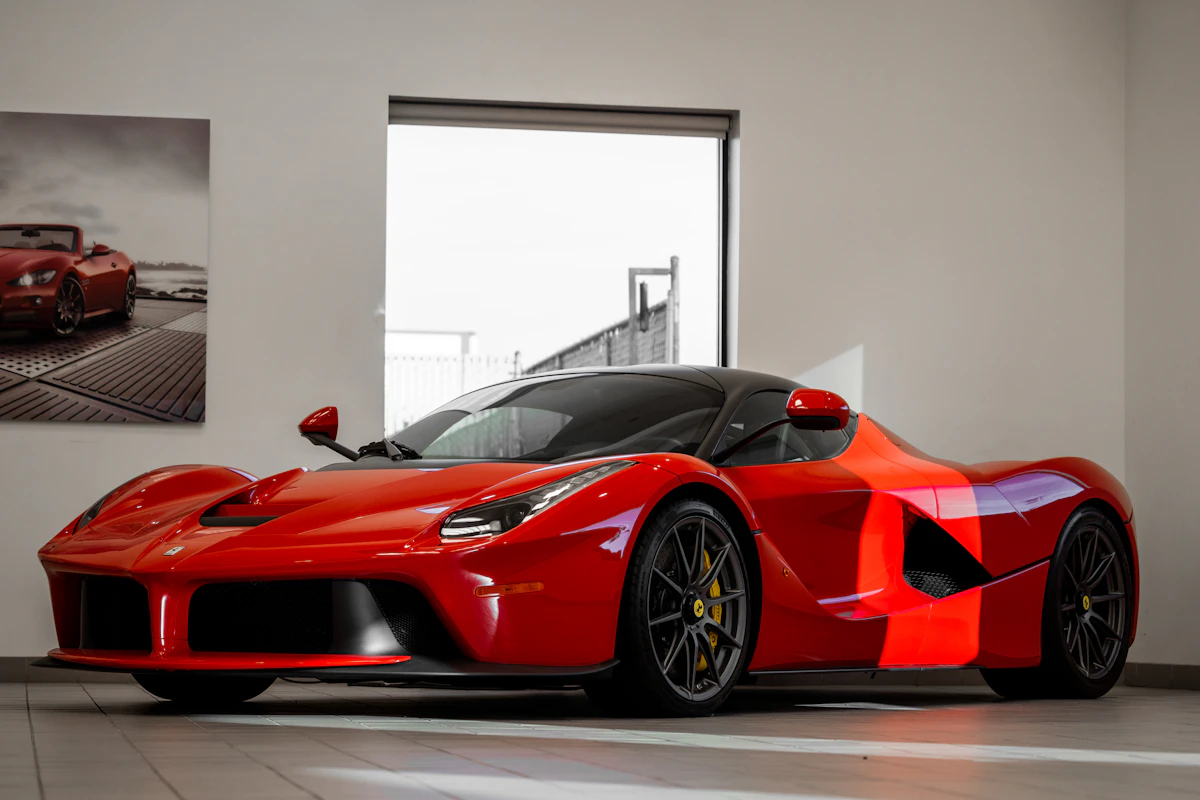
Do Red Cars Truly Cost More to Insure?
No. Vehicle paint color has exactly $0 impact on your car insurance premium. Over 40% of surveyed American motorists still believe red vehicles trigger an automatic insurance surcharge, leading thousands of dealership shoppers to pass on red vehicles in favor of grey or silver. In reality, standard National Highway Traffic Safety Administration (NHTSA) 17-digit Vehicle Identification Numbers (VINs) contain zero characters representing exterior paint color. The myth originated because high-horsepower sports coupes and convertibles are disproportionately purchased in red by younger, higher-risk drivers. Underwriters price the turbocharged engine and driver age, never the paint.
The Psychology of the Myth: The Baader-Meinhof Optical Bias
Why has the "red car myth" survived for over four decades in the American consciousness?
The phenomenon is rooted in cognitive confirmation bias (the Baader-Meinhof phenomenon). When a motorist drives past a police cruiser on the highway shoulder issuing a speeding citation to a bright red Corvette or Mustang, the visual contrast etches the scene into long-term memory. Motorists drive past dozens of silver, grey, and white sedans receiving citations every month without registering their color.
State highway patrol citation databases confirm that white, black, and silver vehicles receive the vast majority of speeding tickets in absolute volume, and modern police LiDAR/radar guns calculate velocity at 1,000 feet—long before an officer can identify vehicle color.
What ACTUALLY Drives Exterior Repair Costs Up (It’s Not Color)
While paint hue is completely ignored by rating algorithms, specific exterior finishes and trim hardware dramatically increase comprehensive and collision loss costs:
| Exterior Feature / Finish | Average Repair / Replacement Cost | Body Shop Labor Complexity | Insurance Impact |
|---|---|---|---|
| Panoramic Glass Roofs | $2,800 – $4,500 | Structural urethane bonding; headliner removal required. | High Comprehensive glass claims; potential total loss factor. |
| 3-Stage Tri-Coat Pearl Paint | +$600 – $1,200 per panel | Requires tinted clearcoat and blending into adjacent undamaged doors. | Higher refinish hours reflected in model-trim loss symbols. |
| Factory Satin / Matte Paint | $2,500 – $4,800 | Cannot be spot-polished or blended; requires full side respray. | Specialty underwriting; high repair severity. |
| Illuminated ADAS Grilles | $1,800 – $3,200 | Houses forward millimeter-wave radar and heating elements. | Turns minor $400 parking taps into severe collision claims. |
Custom Paint & Vinyl Wraps: The $0 ACV Reality
If you spend $6,000 on a custom multi-stage paint job or $3,500 on a matte vinyl color wrap, how does an insurance adjuster treat that investment after a collision?
Crash Frequency Statistics: Why Dark Cars Are More Dangerous
When real-world collision datasets are analyzed, vehicle visibility plays a significant role in accident frequency—and red is far from the most dangerous color:
A landmark multi-year study by the Monash University Accident Research Centre (MUARC) analyzing over 850,000 police-reported traffic accidents found:
- Black, Dark Grey, and Charcoal Vehicles: Associated with a 10% to 12% higher multi-vehicle crash rate during dawn, dusk, and rainy conditions because dark pigments blend into wet asphalt and ambient shadow.
- White and Bright Yellow Vehicles: Associated with the lowest crash risk nationwide, offering high visual contrast against dark backgrounds.
- Red Vehicles: Scored near the middle of the distribution, showing zero statistically significant crash frequency premium compared to other hues.
The Definitive Actuarial Verdict
Your auto insurance company never asks what color your car is, your 17-digit VIN does not encode it, and no actuary in America prices paint. Buy the red car with complete confidence—just skip the high-horsepower engine upgrade and keep points off your driving record.